A country at cycling pace.
Pedaleando Uruguay
Uruguay, lived by bike.
Uruguay is small enough to cross by bike in a few days, and slow enough to be worth it. This is the English edition of Pedaleando Uruguay — a guide for anyone thinking of riding here, and a way of reading the country at the pace of a bicycle. Start with how to arrive; stay for where the riding takes you.

Do you need to speak Spanish to cycle Uruguay?
The honest answer — plus the cyclist's moments where it really matters, and a phrasebook to carry. Read the guide →
Montevideo to Cabo Polonio: the Atlantic coast in stages
325 kilometres in five flat, forgiving stages — beach town after beach town, ending at a car-free village in the dunes with no mains electricity. Read the route →
Carmelo and the quiet west
A three-hour delta crossing, a bike on deck, and Uruguay's quietest corner waiting at Carmelo. Read the route →Getting to Uruguay with a bike — and ready to ride


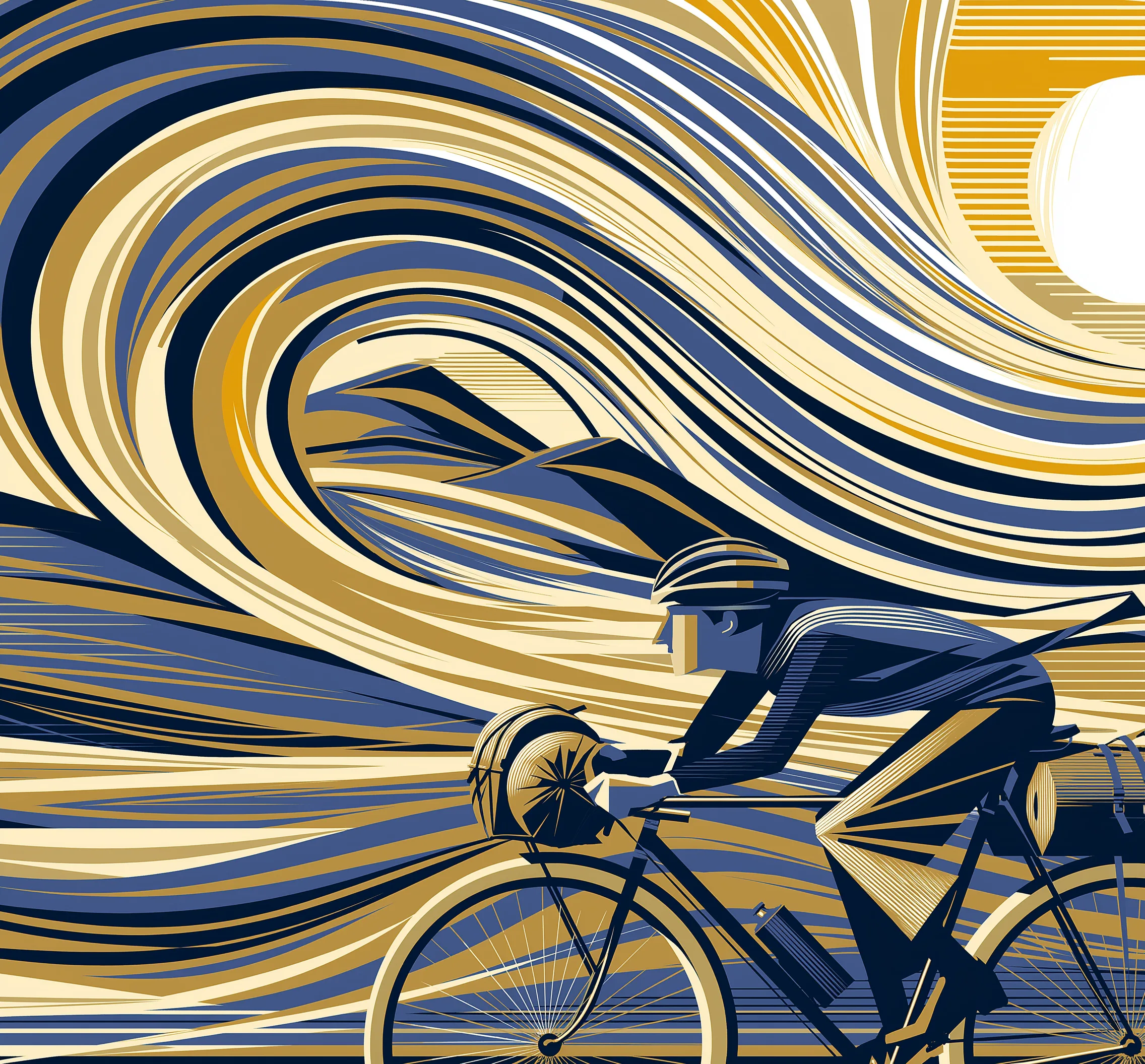
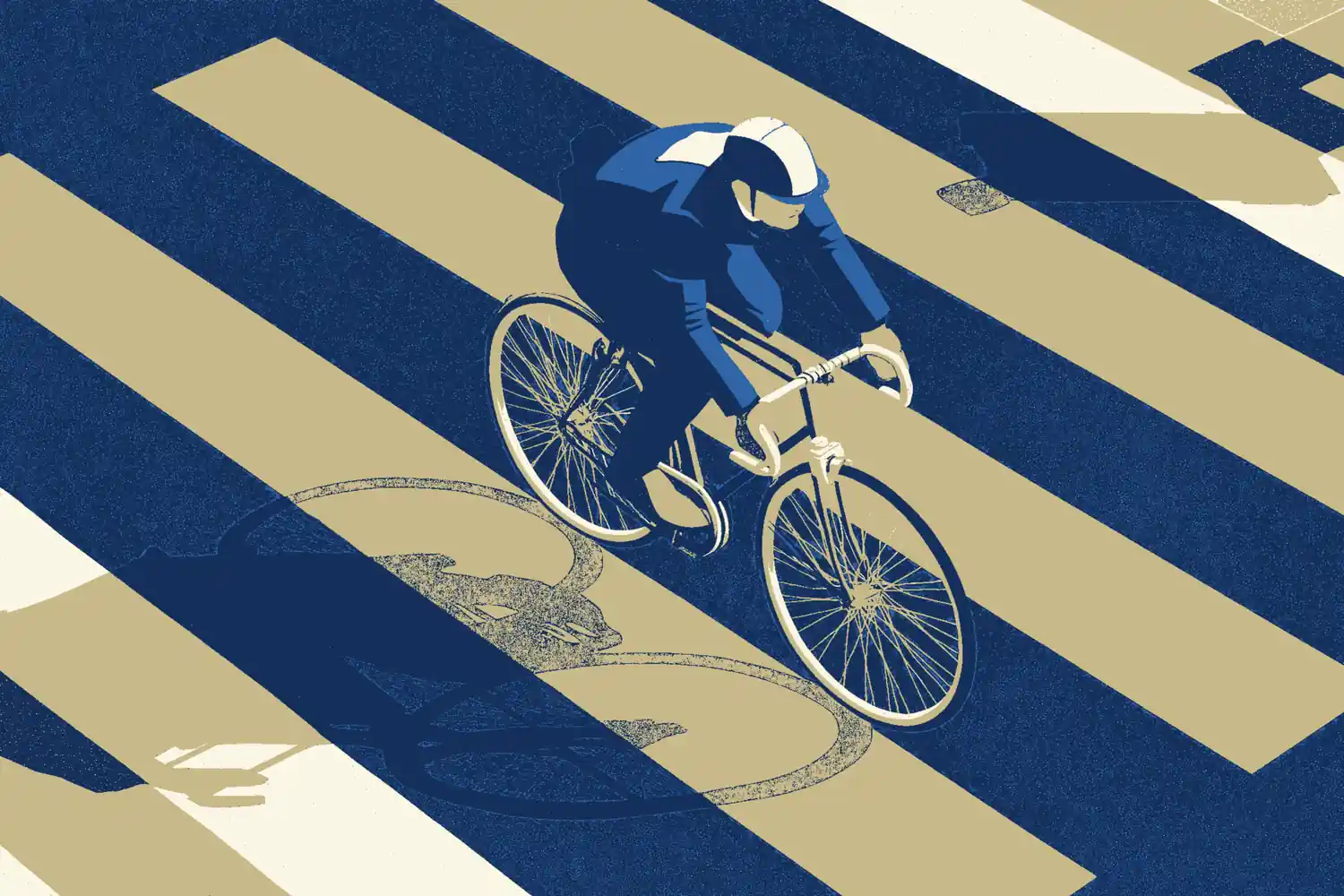
Where the riding takes you — read slowly.
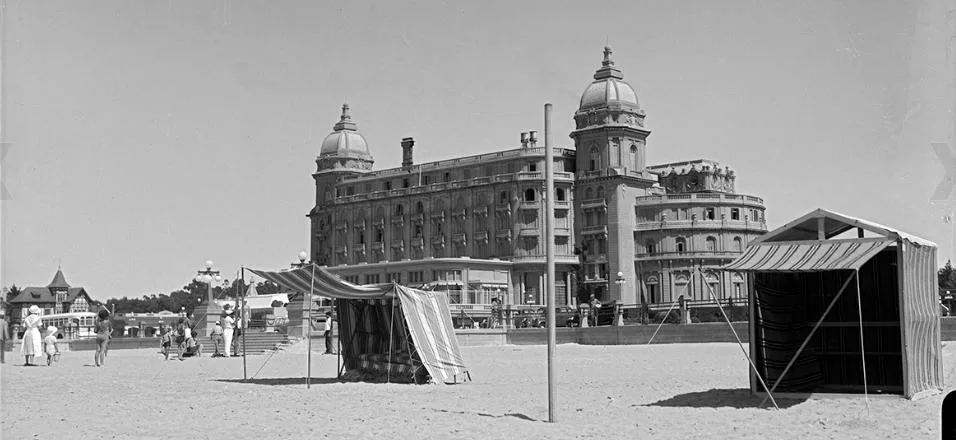
Heritage & sightseeing


How a small country takes to the bicycle

The MusiMóvil: Montevideo's rolling sound system
The neon-crowned trike that became the soundtrack of Montevideo's group rides.

Rodala, Ciudad Vieja's bicycle clubhouse
The warehouse where Montevideo's bike scene is building itself a home.
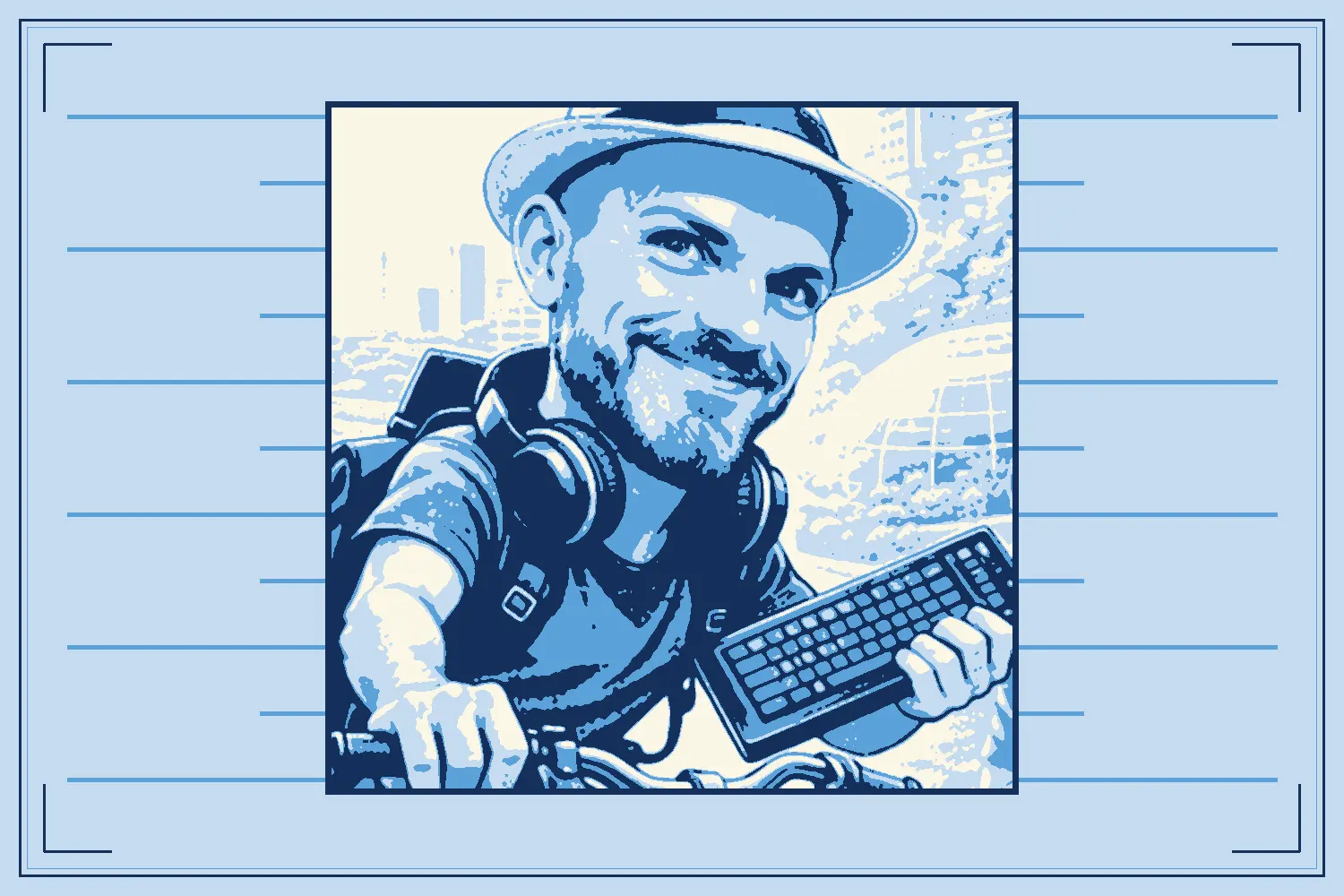
The man with the infinity sign
Meet Pedro: VJ, creator of the MusiMóvil, and the force behind Rodala.
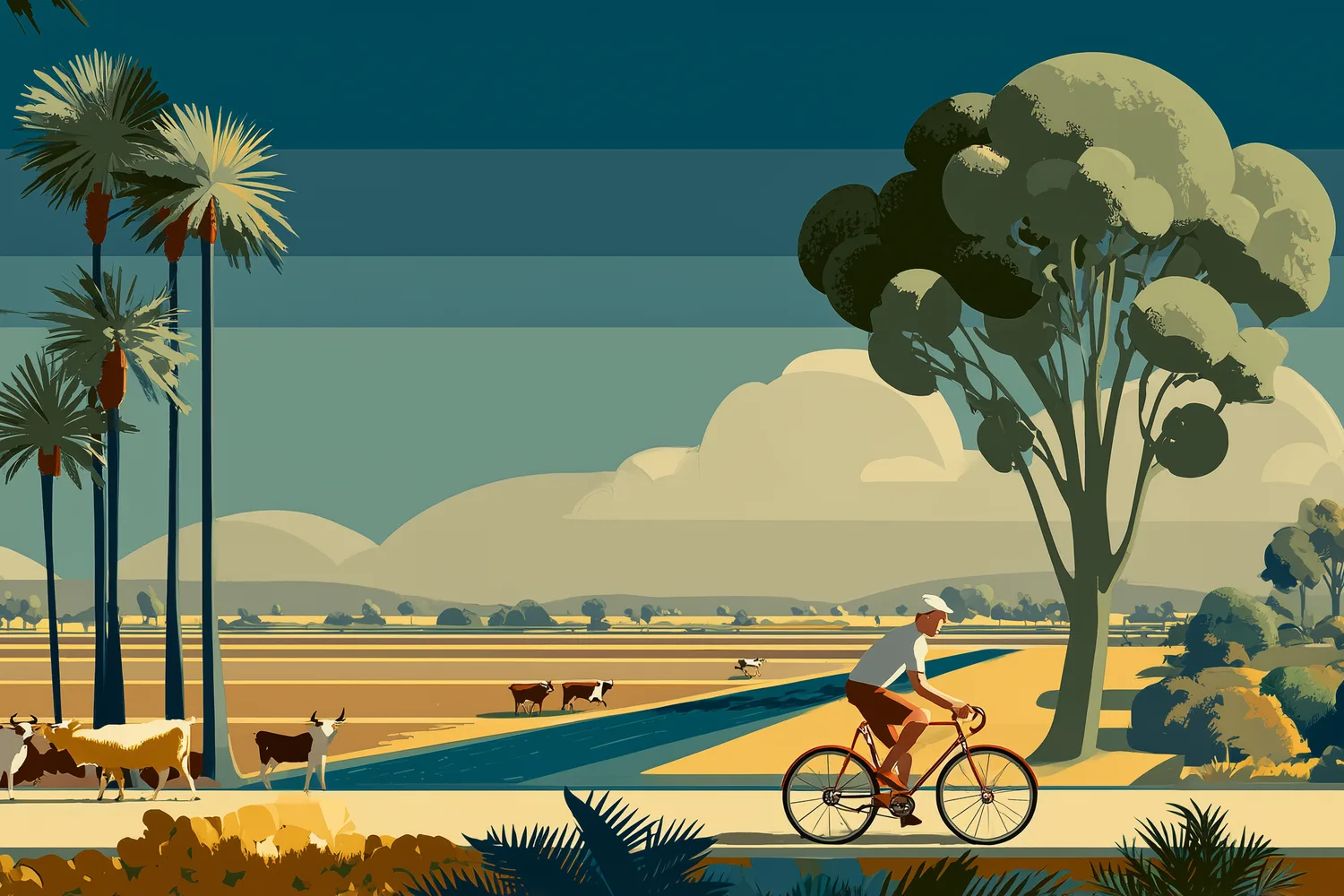
Slow cycle-touring — what it means here
A way of knowing a place at the right speed — not a machine for going fast.
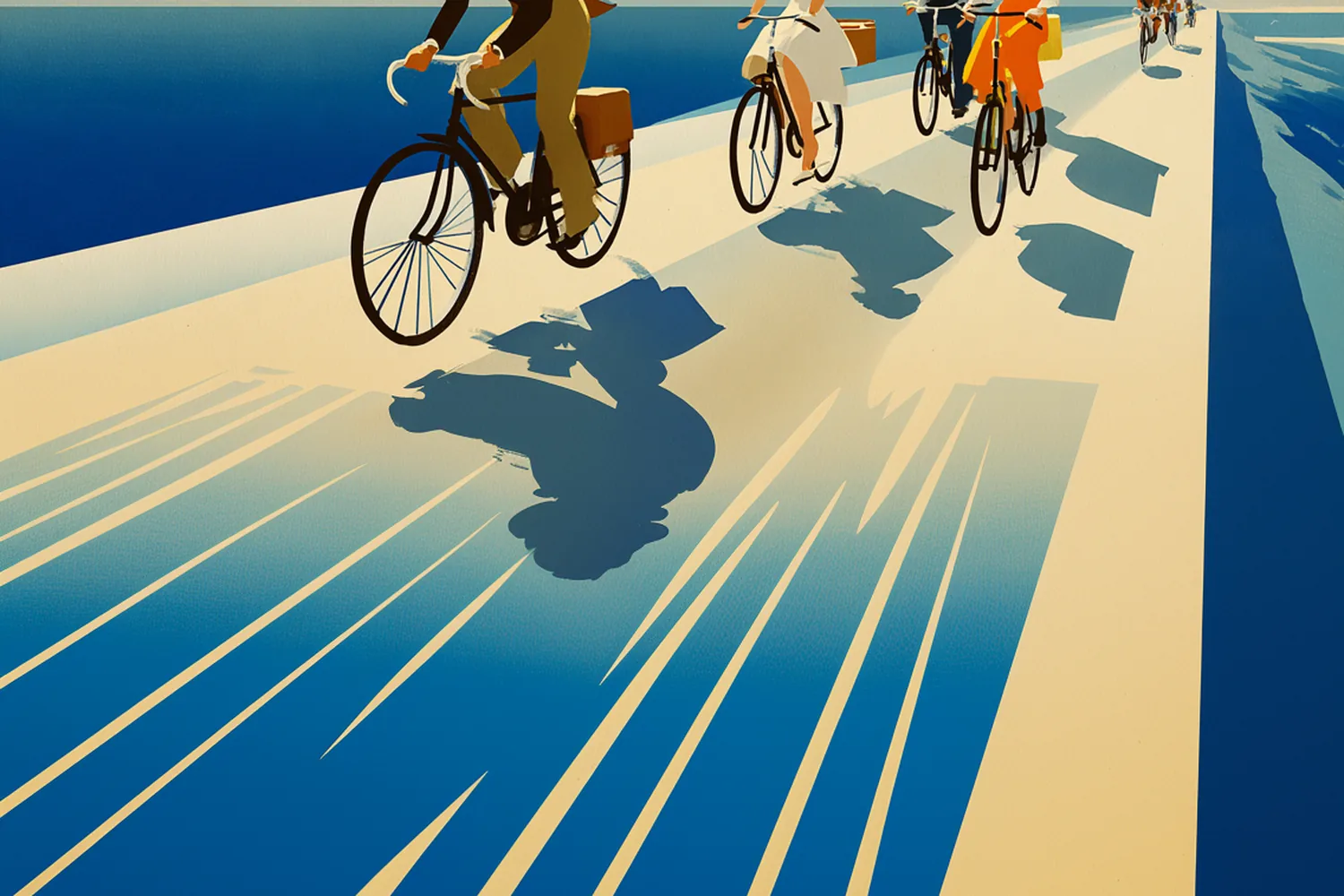
Montevideo is learning to ride
Not the Uruguay of long journeys, but the everyday one.

The Rambla, before and after: what thirty years changed — and didn't
The waterfront that looks eternal, the archive that says otherwise — and the lane the car finally gave up.
Every place, on one map
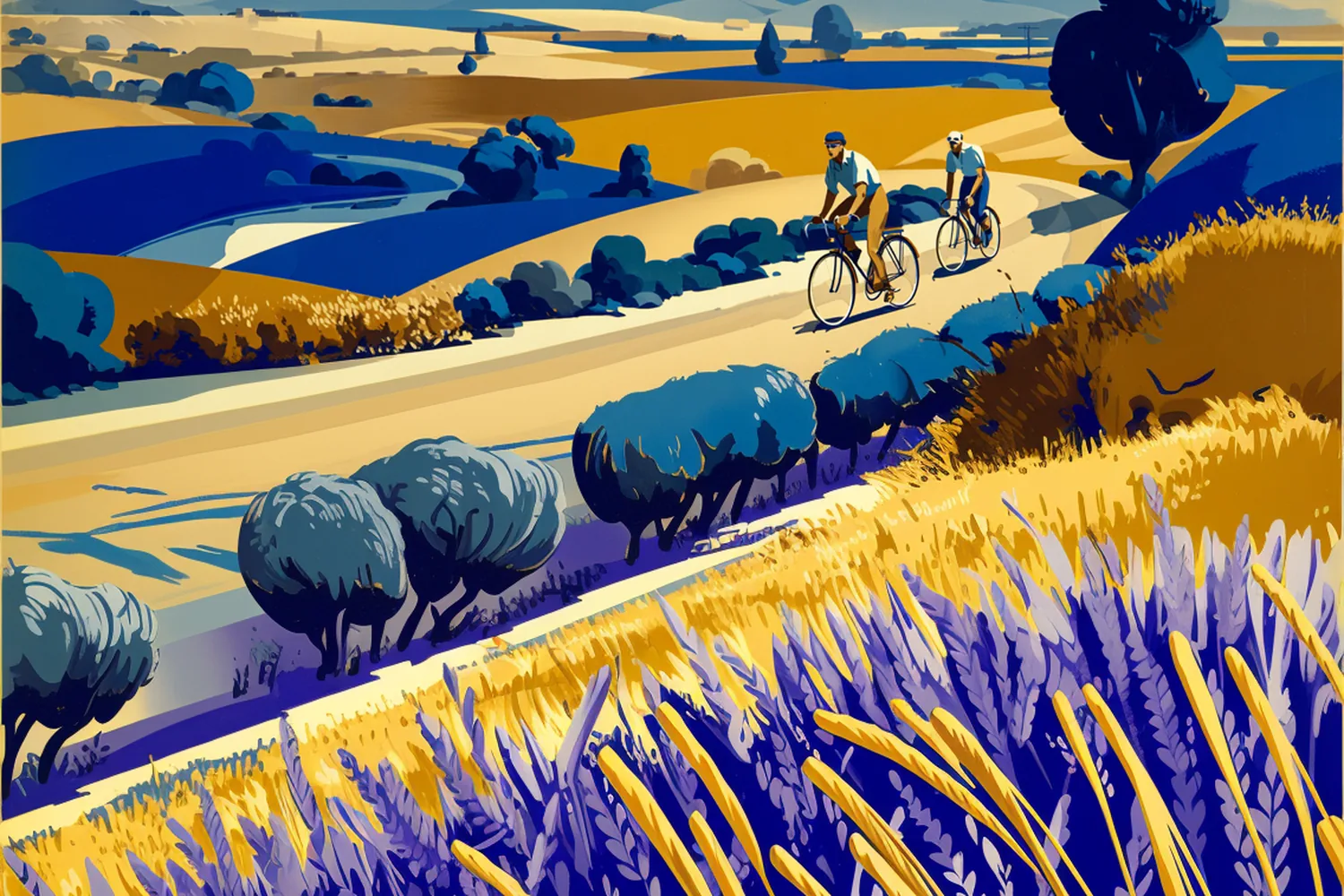
Pedaleando Uruguay wants to be the digital home of cycling in Uruguay — as a way of travelling and a way of inhabiting the country. An editorial platform before a map; a community before a business.
Riding through, or dreaming of it? Write to us.