Uruguay by bike
How a small country is taking to the bicycle — the slow-cycling idea behind this site, and the city learning to ride.
This is the city-and-culture side of Pedaleando Uruguay. It holds the idea the whole site is built on — that the bicycle, ridden at a civilian pace, is the best instrument for reading a place: slow enough to notice, fast enough to cover ground. The idea has a local pedigree. Between 1904 and 1909 the bulletin of Montevideo's Club Nacional de Velocipedistas argued that the tourist who pedals an unhurried twelve kilometres an hour has time to see, while the train is a "brutal kaleidoscope" and the motor car leaves no room to think. What slow cycle-touring means here is the same argument a hundred and twenty years on — a resonance, not a lineage.
The rambla is where most visitors start, and it helps to know its shape before you ride it. It runs about 22 kilometres along the Río de la Plata, fourteen named stretches under one collective name, and it has been a designated Historic-Cultural Monument since 1986. For a cyclist it divides in two: 7.7 kilometres with a lane of your own, from the Escollera Sarandí at the tip of the old town to the Prefectura in Pocitos, and 14.5 kilometres beyond that, to the Arroyo Carrasco, where you share the road with cars. The ride itself, port to Pocitos, is the classic first outing; thirty years of photographs of the same wall show what changed around it.
The city is building toward something, and you are arriving mid-story. Montevideo's first on-street cycle lanes opened between 2010 and 2015, and by early 2019 the network already measured 35 kilometres; the official total stood at 77.3 kilometres in September 2024, and the stated target is 100 by 2030. The big works bracket that count: four kilometres up 18 de Julio, the main avenue, in December 2023; 4.7 along the Rambla Sur in September 2024; and — outside the Montevideo figure altogether, because it is Canelones' work — a 12.7-kilometre coastal path between El Pinar and the Arroyo Carrasco, completed in November 2025 and not yet joined to the rambla. The next lane, roughly 11 kilometres from the Cerro to the centre, was confirmed in May 2026. The network's whole story in one piece is the place to read it.
Set beside its neighbours, Montevideo is the small one. Buenos Aires has around 310 kilometres of cycle infrastructure, a public bike-share of some 380 stations with a free basic plan, and about 7 per cent of trips by bicycle; greater Santiago reports around 480 kilometres and is aiming for 820 by 2035. Montevideo has no working bike-share at all since its scheme closed in 2019, and its own mobility survey, with fieldwork around 2016, put bicycles at roughly 3 per cent of trips. The numbers side by side make the case that bigger networks are not automatically better ones.
If you are in the city now: ride the rambla first, check what's on this week, and before you leave a bicycle anywhere, read the anti-theft basics. Then meet the culture the infrastructure is catching up with — a bicycle clubhouse in the old town, a rolling sound system that leads rides out of Plaza Independencia on Monday nights, the artist who started it — the clubhouse is where it lives now — and the port that made modern Montevideo, a century before any of this.
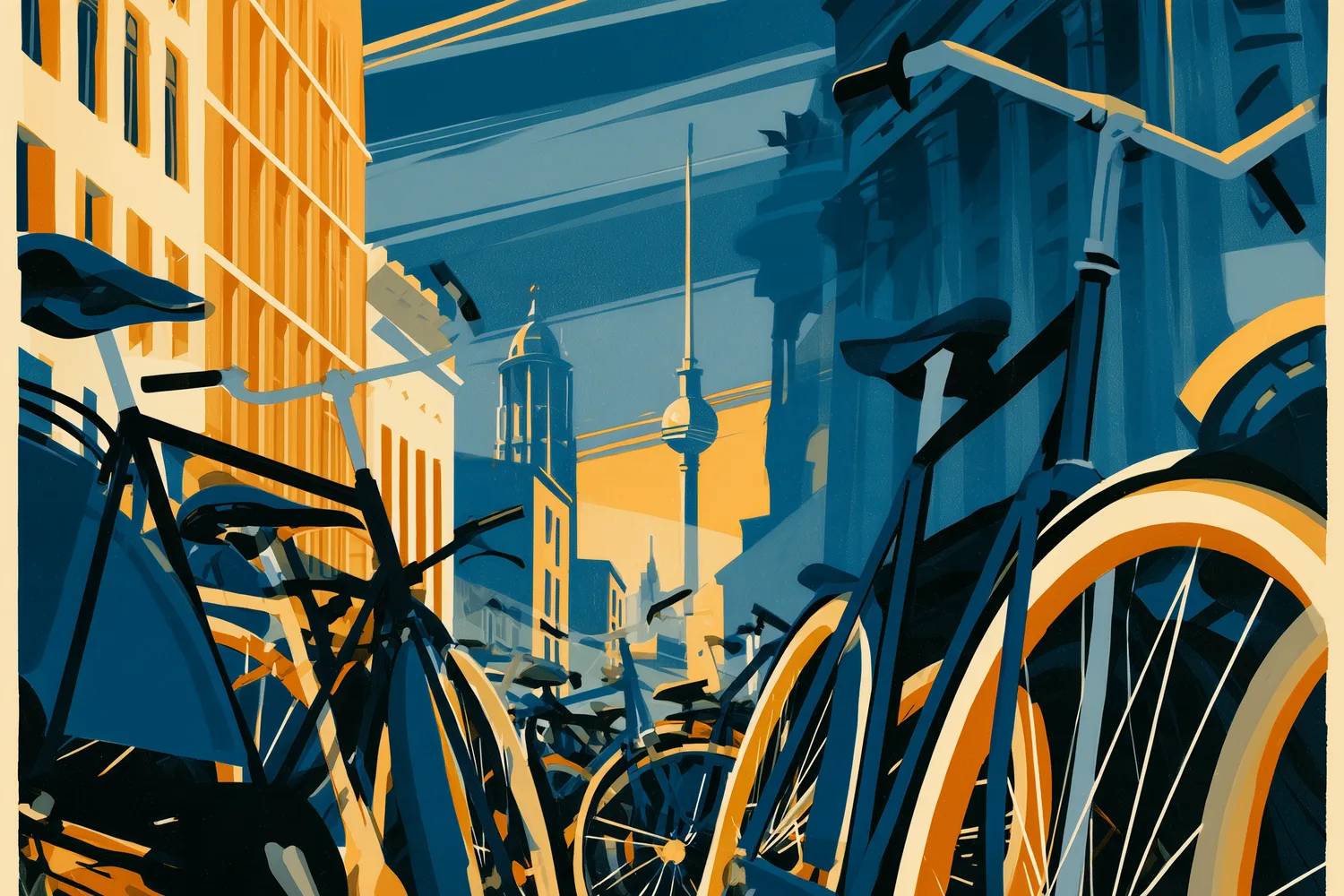
Postcard from Berlin
Eight companies, 74,000 vehicles, one referee.

Rodala, Ciudad Vieja's bicycle clubhouse
The warehouse where Montevideo's bike scene is building itself a home.

The MusiMóvil: Montevideo's rolling sound system
The neon-crowned trike that became the soundtrack of Montevideo's group rides.

The man with the infinity sign
Meet Pedro: VJ, creator of the MusiMóvil, and the force behind Rodala.
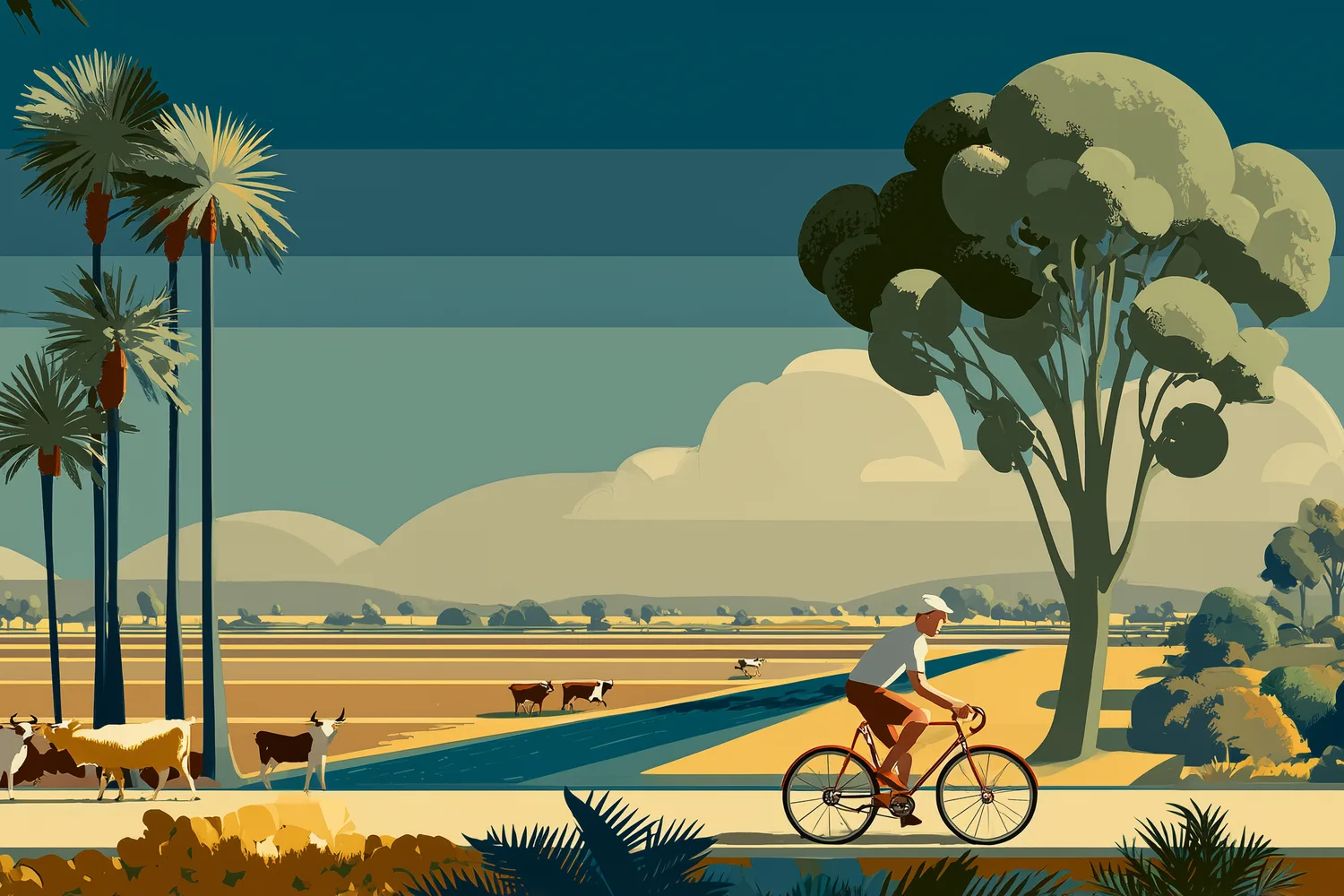
Slow cycle-touring — what it means here
Slow cycle-touring as a tool for knowing a territory — the ethos behind this platform, and the international practice Uruguay now has its own ground for.
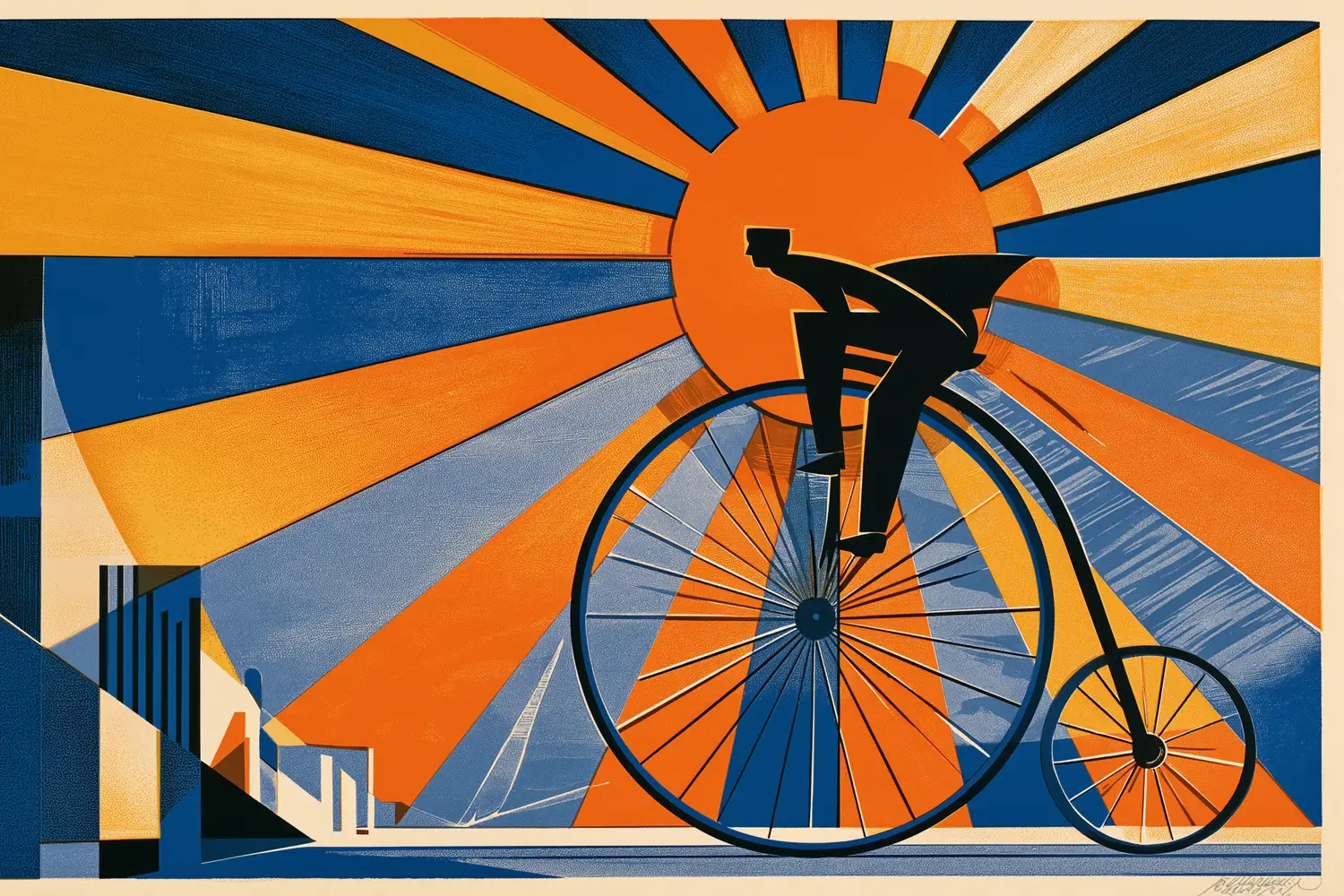
Montevideo's first bicycle boom: the fever of 1899 and what it left behind
Clubs, wooden tracks, an import spike with a hangover, and the cycling lobby that invented Uruguay's road signs.
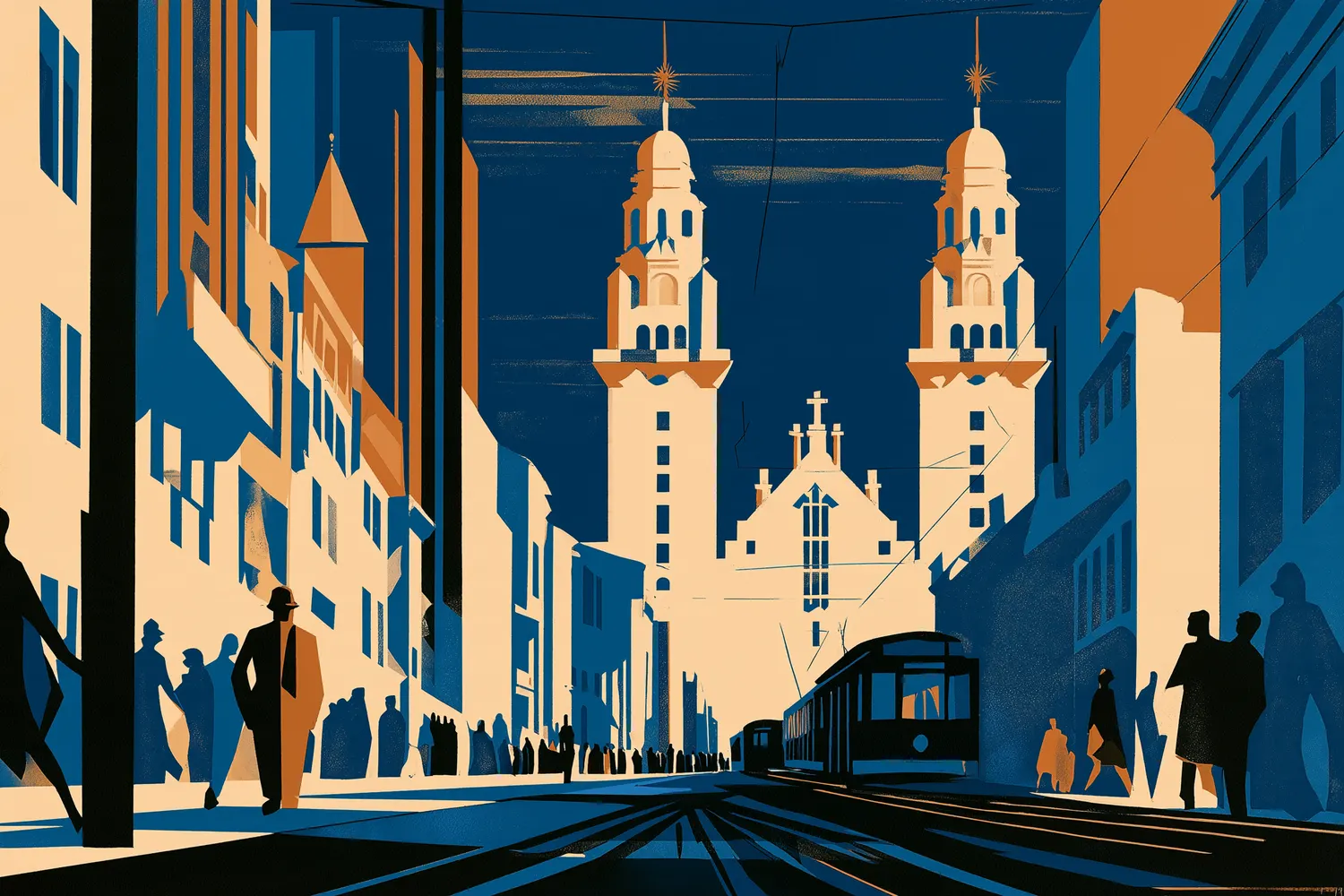
Sarandí before the pedestrian street: a century of traffic, and the eighteen-year fight that ended it
Four stages, one merchant reversal, eighteen years — and before all that, a century of trams and bumper-to-bumper cars.
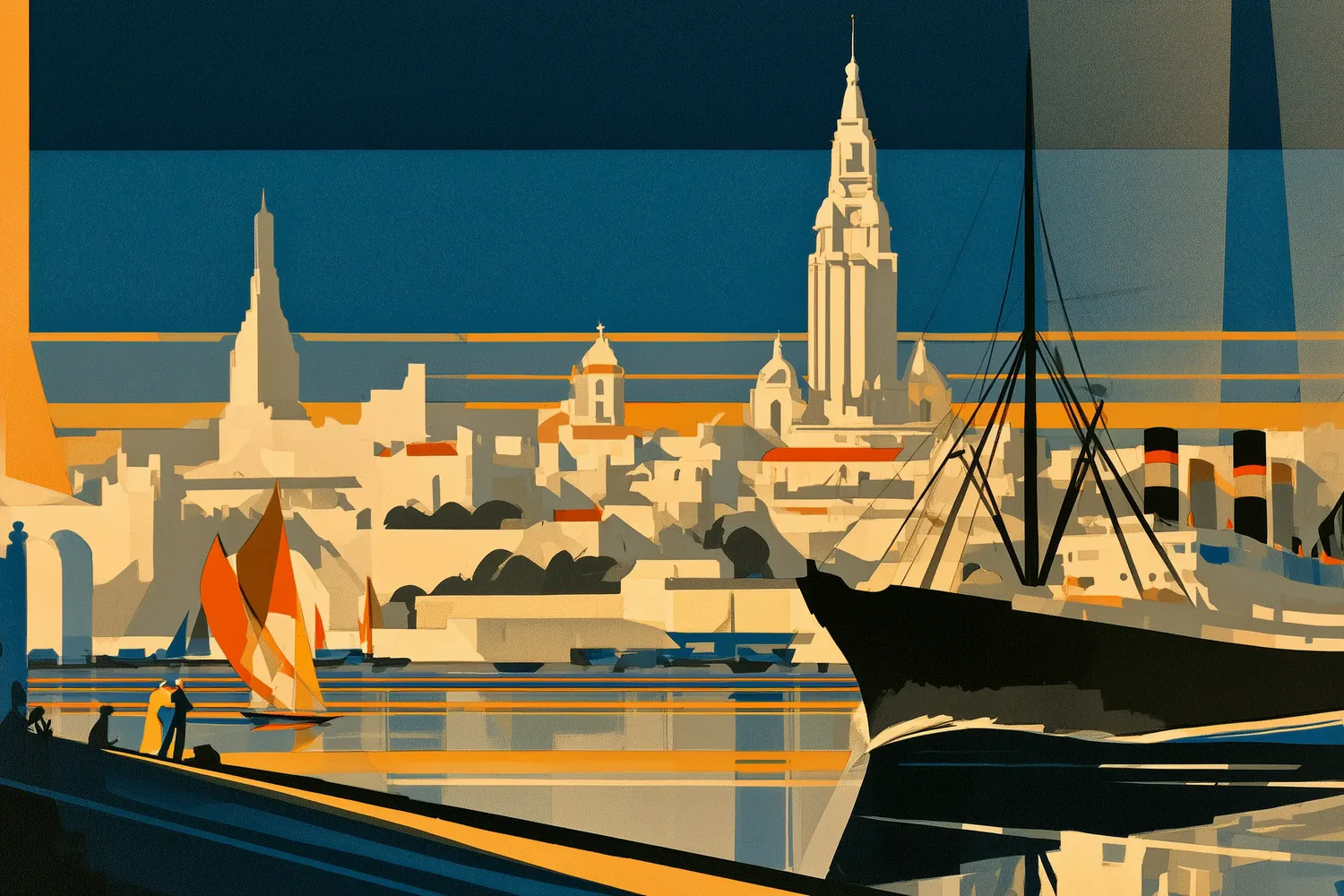
A French contract, a lead box under a breakwater, and the port that made modern Montevideo
Montevideo spent 1901–1909 rebuilding its bay in stone and concrete — and inaugurated the result on a morning marked by a shipwreck at the new entrance.
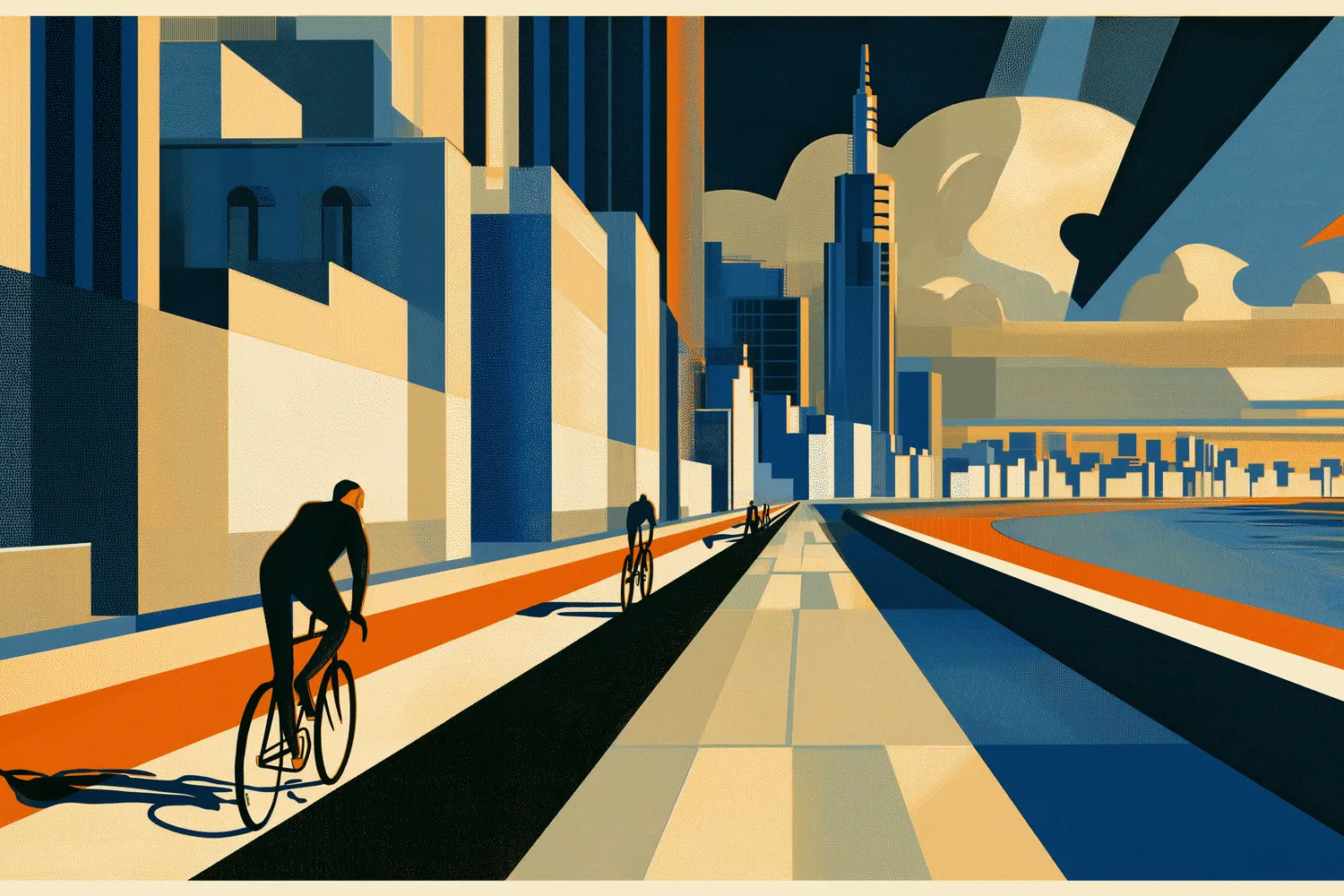
The Rambla, before and after: what thirty years changed — and didn't
The waterfront that looks eternal, the archive that says otherwise — and the lane the car finally gave up.
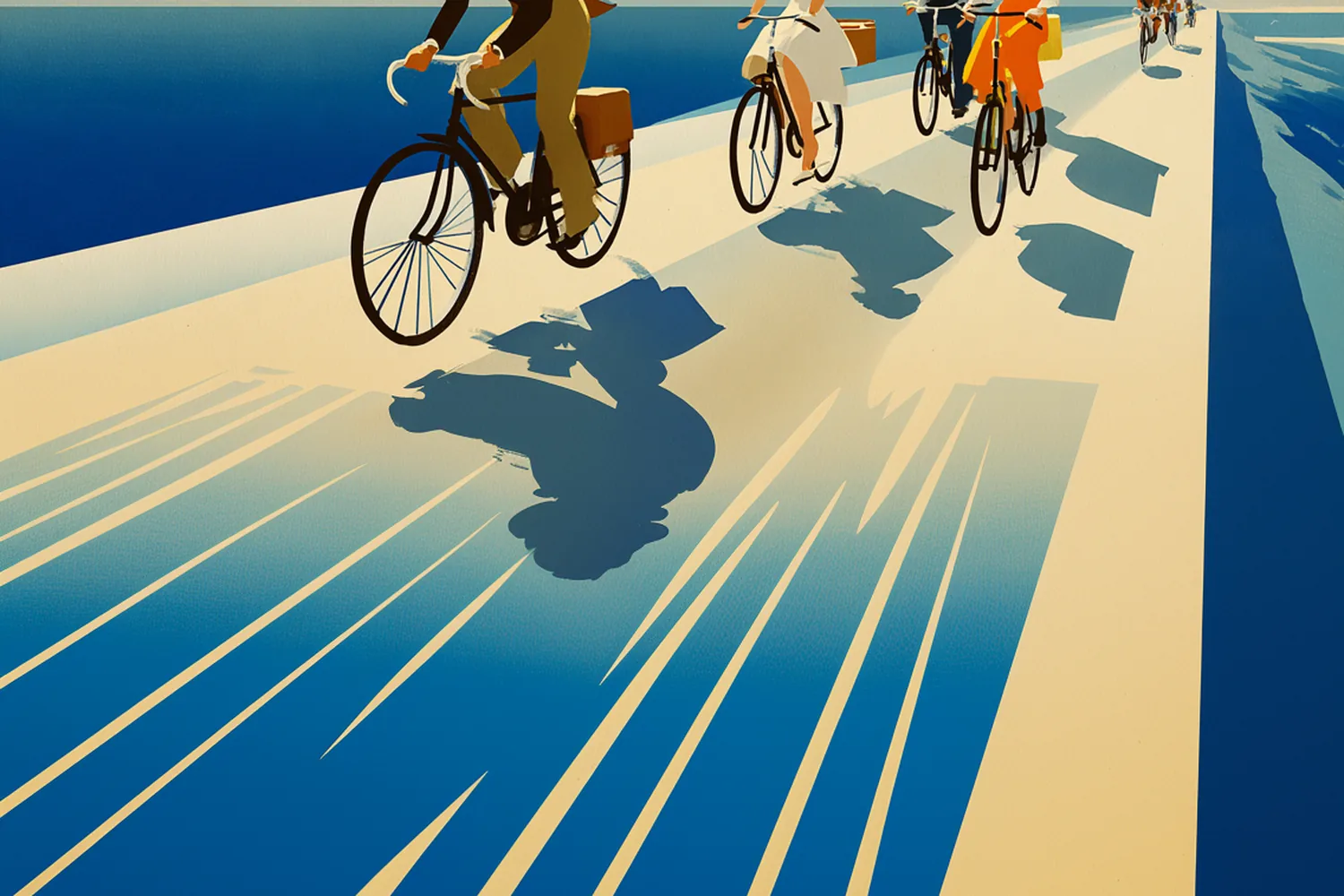
Montevideo is learning to ride
The everyday cycling city — the Rambla, the new protected lanes, and what the numbers say about where Montevideo is heading.

Cycling policy in numbers: Montevideo vs Buenos Aires vs Santiago
Who leads, who lags — and what an honest comparison actually measures.
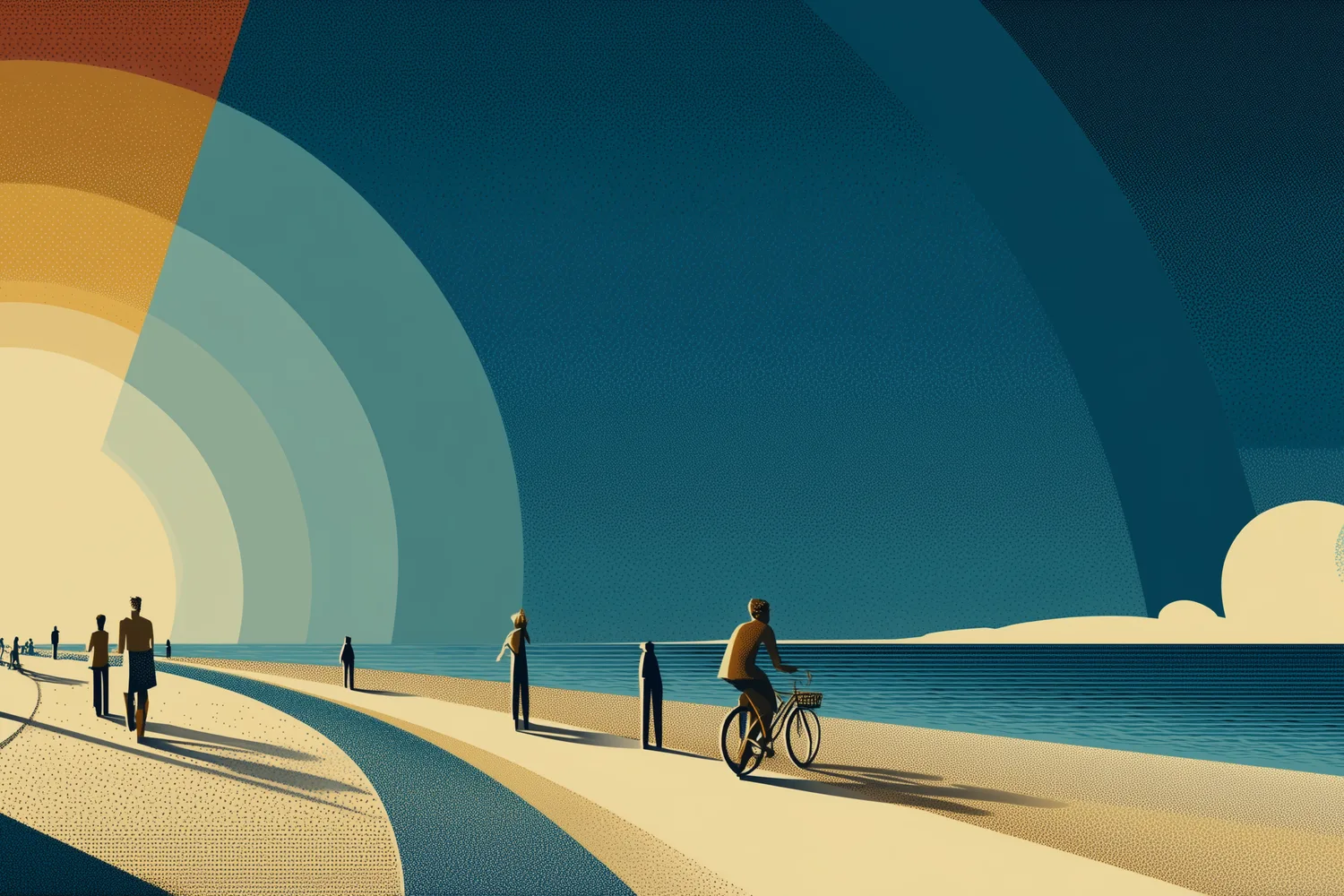
The rambla by bike
Port to Pocitos along the open river — the classic Montevideo bike ride for a day in the city.
What's on this week
Group rides, races and workshops in Montevideo — a running snapshot of the local scene, updated with every event confirmed.
Anti-theft basics: locks, and where not to leave the bike
No lock stops a determined thief. The point is to be more trouble to steal than the bike chained up beside yours.