Place
Colonia by bike
Where the ferry lands, and where the back roads start.
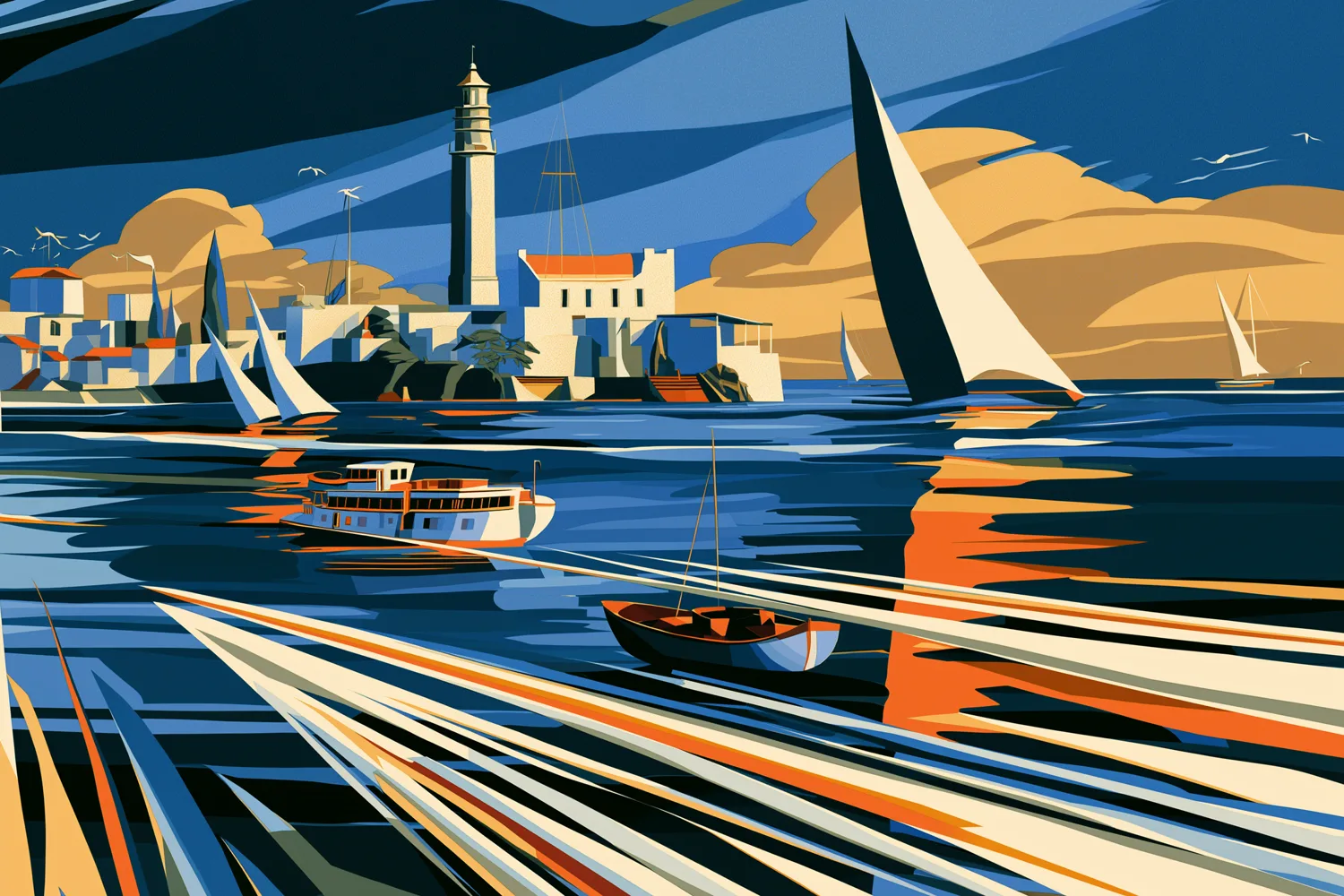
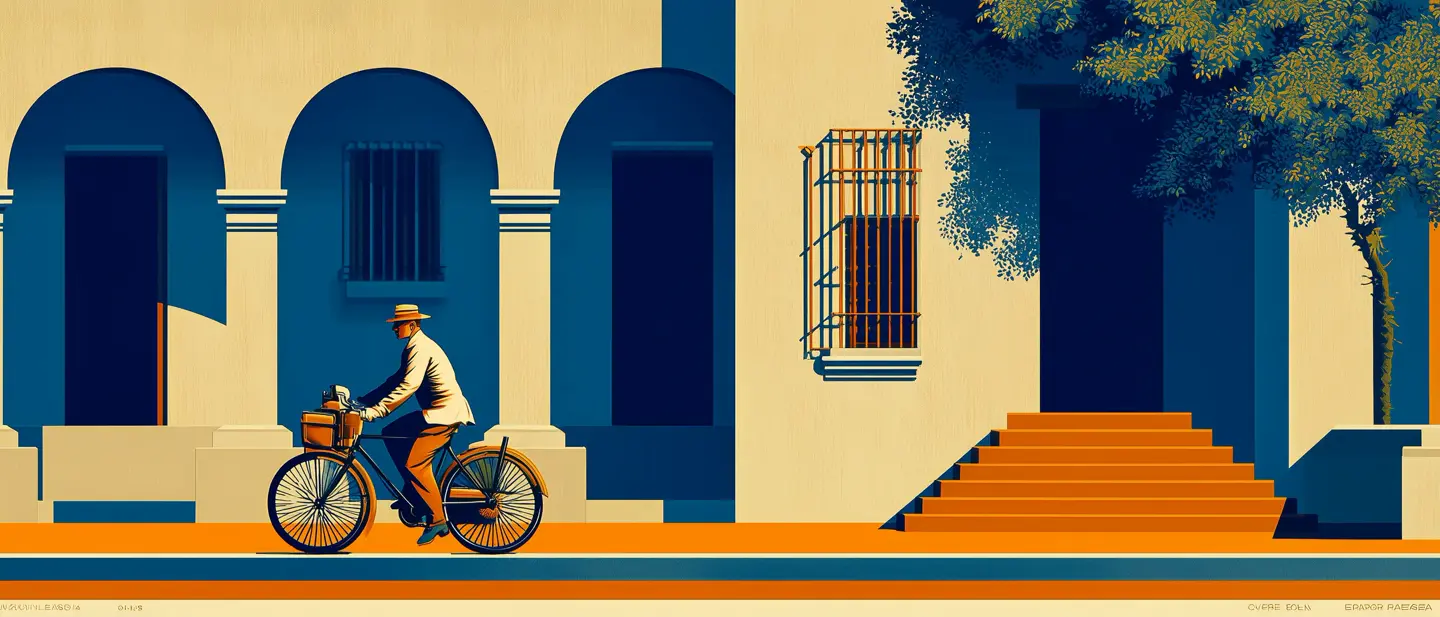
The Portuguese founded Colonia del Sacramento in 1680, and for the next century it kept changing hands — seven times or more before Spain held it for good in 1777. The back-and-forth shows in the street plan, which follows no tidy colonial grid, and UNESCO inscribed the old quarter as World Heritage in 1995. It is a place you walk: cobblestones, steps and early-1700s houses on the Calle de los Suspiros. The bike earns its keep getting you there and along the riverfront rambla, roughly eight flat kilometres facing the Río de la Plata.
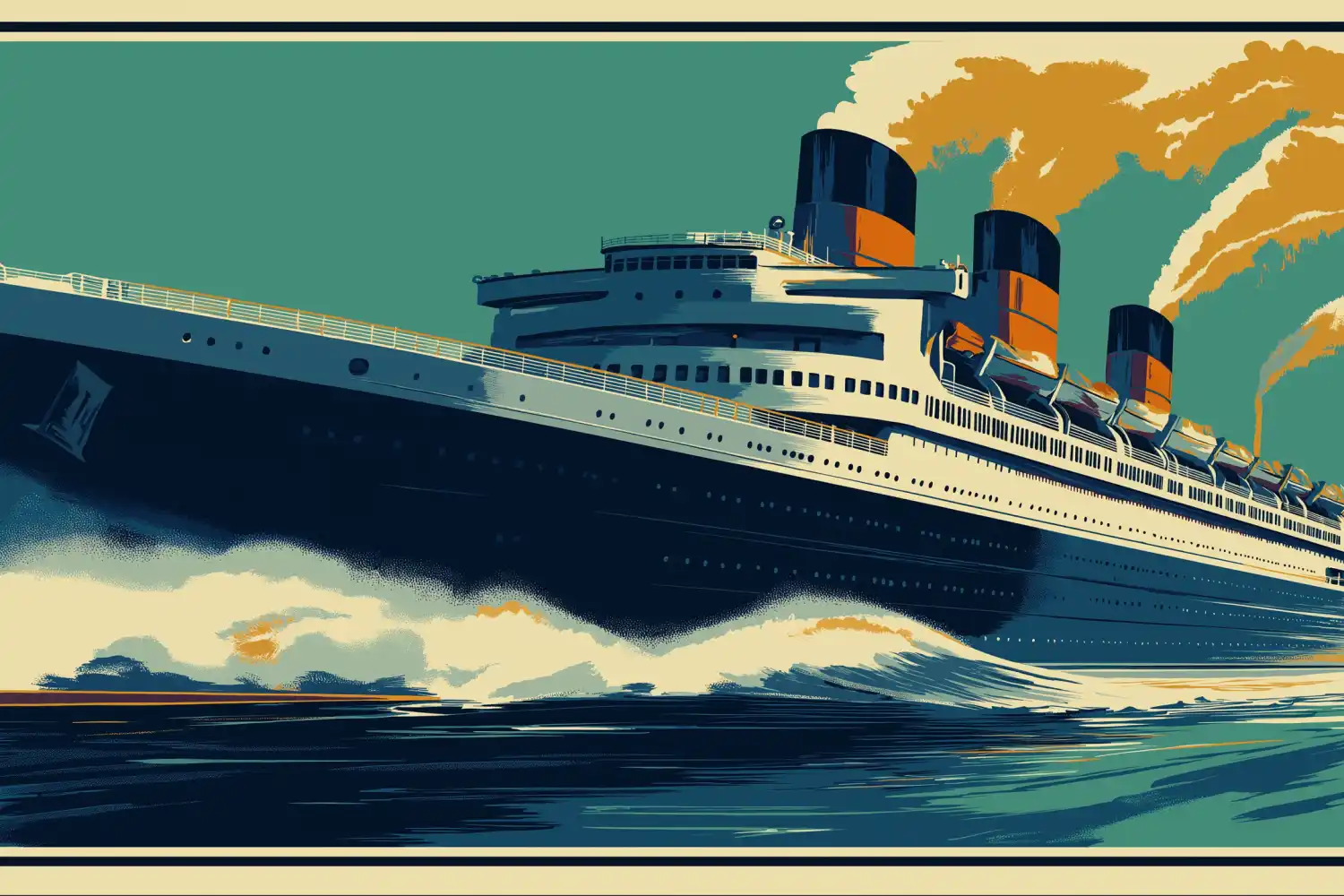
Nearly everyone arrives by water. The ferry from Buenos Aires takes about an hour and a quarter, and bicycle rules depend on the operator — Colonia Express carries one bike per passenger free with a signed waiver, while for Buquebús current sources contradict each other, so confirm when you book. From the dock, Montevideo is about 178 kilometres of open road.
Seventy-seven kilometres west on the direct road — with little in the way of shops, so carry what you need — sits Carmelo, the only city founded by Artigas that still stands today, dating to 1816. You roll in over an iron swing bridge from 1912, still opened by hand crank and considered the first of its kind in South America. Since 1993 the surrounding countryside has carried an INAVI wine-region designation, and cellars like Narbona — pouring since 1909 — sit some fourteen kilometres out. The pieces that go deeper — the ferry crossing with a bike, the ride west, the old quarter — carry the detail.